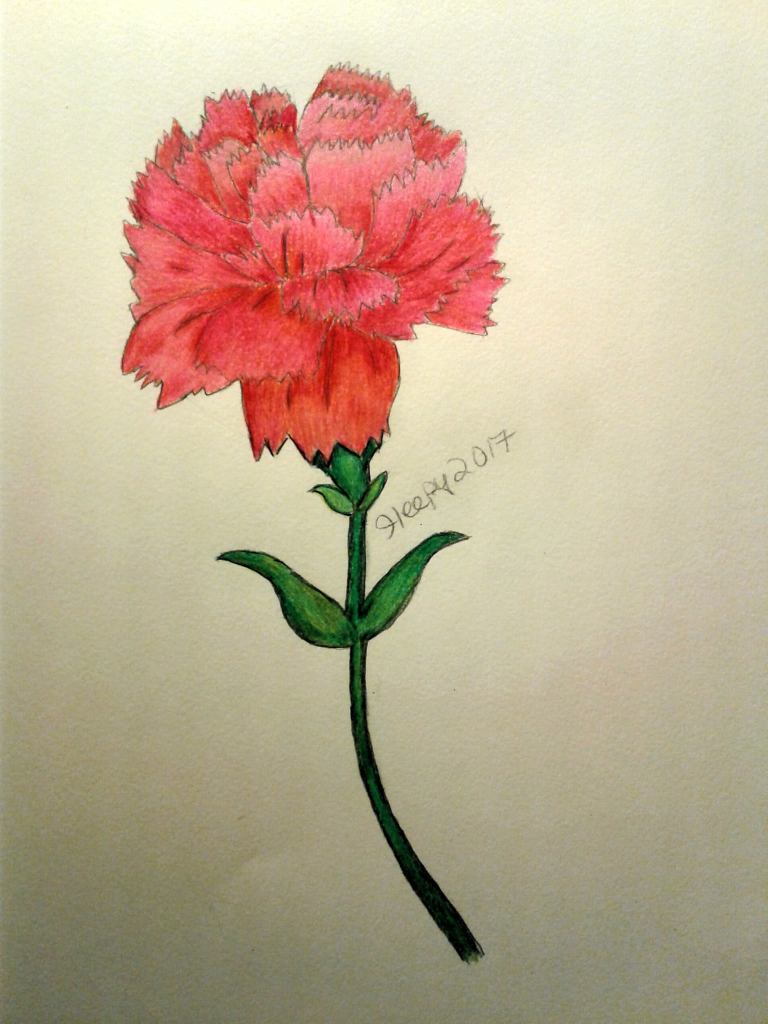
Today, January 31, is Inspire Your Heart with Art Day, which is delightfully vague—and honestly, that’s the point.
Art is old. Really old. Older than writing, money, and older than the idea that someone could tell you your work is “interesting but derivative.” It predates galleries and critics. Before the phrase mixed media made people nod thoughtfully, humans were scratching animals onto cave walls and saying, in essence: I was here. This mattered. Look.
That urge never went away. We just added rules. Opinions. Eventually, snoot.
Somewhere along the line, art got boxed into “painting” and “sculpture,” preferably framed, expensive, and explained with words no one uses in real life. The result? A lot of people quietly deciding that what they make doesn’t count.
Let’s fix that.
Art is not a medium. It’s a behavior.
It’s the impulse to arrange, shape, express, remix, doodle, hum, stitch, stack, color, carve, write, photograph, collage, bake, plant, or rearrange something until it feels true. If it came from attention instead of obligation, congratulations—you’re making art.
And no, it does not need to be “good.”
The idea that art must clear some invisible quality bar before it’s allowed to exist is one of the great creativity killers of our time. It’s why people stop drawing at age nine. It’s how sketchbooks go blank. It’s the reason perfectly capable adults say things like, “Oh, I’m not artistic,” while arranging their bookshelves by color or composing emails with impeccable rhythm.
That’s the snooty art trap:
believing that art is something other people do better, cleaner, or more officially than you.
But historically speaking? Most art was made by people who were not asking permission.
Folk art. Quilts. Pottery. Songs with no known author. Marginal doodles. Painted signs. Ritual marks. Garden layouts. Storytelling. Their purpose wasn’t to impress a panel. They were created to connect, remember, soothe, warn, celebrate, or survive.
Art has always been a nervous system activity before it was a prestige activity.
So today, if you’re “inspiring your heart with art,” try this radical approach:
- Make something small.
- Create something messy.
- Craft something that never leaves your kitchen table.
- Fashion something that only you will ever see.
No posting required. No explanation necessary. No imaginary critic invited.
If your inner voice says, This isn’t good enough, gently remind it that art existed for tens of thousands of years before anyone invented “good enough.”
Art doesn’t ask to be judged.
It asks to be made.
And today, that’s more than enough. 🎨✨
Let me end with two slightly mischievous examples from my own life.
I have an alpaca coloring book based on my own photographs—real alpacas, real moments—translated into simple line drawings with the help of technology. I didn’t suddenly wake up with a craving to hand-etch hundreds of hooves. I used modern tools to do what tools have always done: help humans make things without developing unnecessary tendinitis.
Years ago, I might have disqualified that immediately. That’s not real art. You used technology.
As if charcoal politely asked permission before it showed up. As if oil paint didn’t once cause an absolute scandal. As if cameras weren’t accused of ending art forever. (They did not.)
Then there’s my poetry book. The drawings in that one are entirely hand-drawn. No shortcuts. No undo button. Just a pen, some paper, and the radical act of letting lines be a little uneven—because hands are not machines, despite society’s continued attempts to treat them that way.
For a while, I thought one of these had to be more legitimate than the other. More effort. More purity. More serious. Turns out that was just the snooty art trap again, wearing a slightly updated operating system.
Both came from the same place: paying attention. One utilized technology as a translator. The other used my own hand. Neither asked for approval, an algorithmic score, or a committee vote.
So, if you’ve ever stopped yourself because you didn’t use the “right” tools—or because you used tools people like to side-eye—consider this your official, imaginary, absolutely non-binding permission slip. Art doesn’t care how it’s made. It only cares that you showed up.
And sometimes that means a hand-drawn line.
Other times it means letting technology do the boring part.
And occasionally it means an alpaca photo becoming art while everyone involved remains perfectly unbothered.
 A Heep of Words: Books by Alexandra Heep, Helena Parx, Lexa Drane
Leave a comment