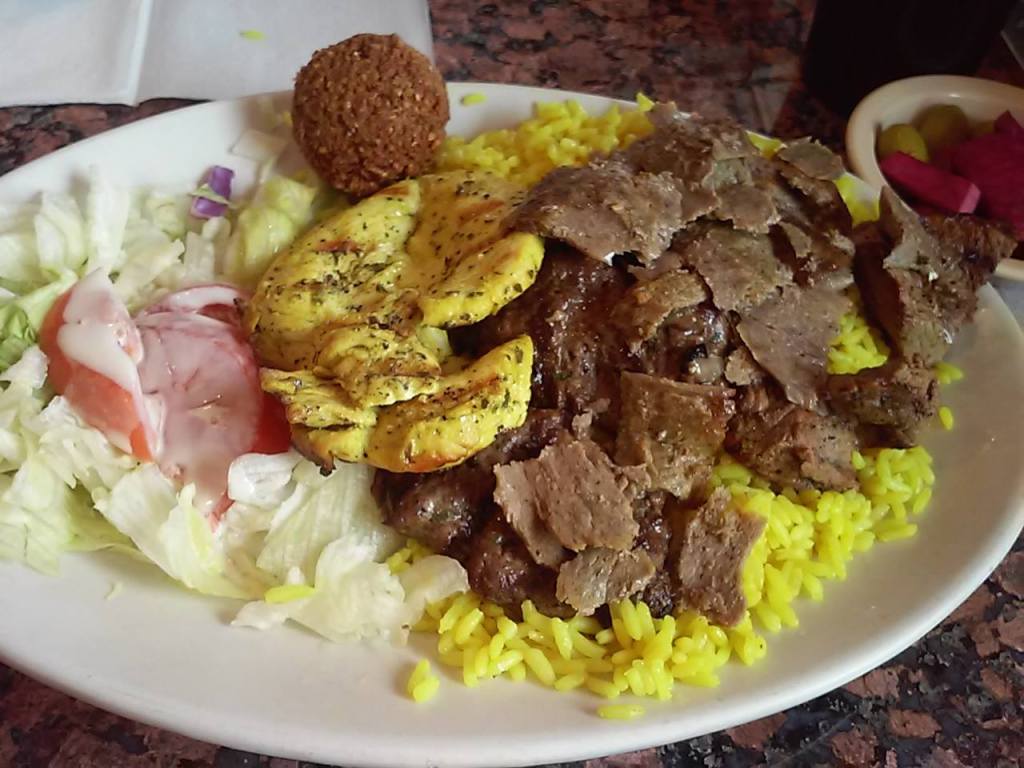
Today, January 6, is National Take a Poet to Lunch Day. Long before poetry was something you encountered on a greeting card or scrolled past on your phone, it was how humans remembered who they were.
Poetry began as breath and rhythm—spoken aloud around fires, carried across generations before writing even existed. The earliest poets were archivists of memory. Epics weren’t indulgent; they were survival tools. If you wanted to remember your laws, your gods, your disasters, your lineage, you wrapped them in cadence and sound. Rhythm sticks. Rhyme travels.
Think of Homer, whose epics weren’t read silently but performed—sung, really—so entire cultures could carry their history in their bodies. Or Sappho, whose fragments still feel intimate enough to have been written yesterday, despite surviving two millennia by sheer stubbornness and luck.
As writing emerged, poetry didn’t retreat—it adapted. It moved from voice to vellum, from communal memory to personal expression. Medieval poets braided devotion, satire, and longing into verse. Renaissance poets—William Shakespeare among them—proved poetry could be bawdy, philosophical, political, and devastating all in the same breath.
Then came the quiet rebels. Poets like Emily Dickinson showed the world that poetry didn’t need a stage or applause. It could live in a drawer. It could whisper. It could wait.
Throughout every era, poetry has done one essential thing: it has noticed. It recognizes grief before it has a diagnosis. It validates joy before it’s permitted. It acknowledges change while everyone else is still arguing about whether change is happening at all.
Which brings us—gratefully—to today.
National Take a Poet to Lunch Day is a charmingly simple idea: feed the people who nourish the language. Not because poets are starving (though history suggests that has often been the case), but because poetry thrives on conversation, presence, and yes—the radical act of sitting down together.
Lunch is where metaphors loosen their ties. Where ideas spill soup. Where poems are born on napkins and then promptly lost which is exactly as it should be.
If you know a poet, take him or her to lunch.
If you are a poet, accept.
If poetry has ever helped you name something you couldn’t otherwise say—well, this counts as gratitude.
If you want to read some of my poetry, I have a bunch posted on my other blog: AHeepOfEverything.Blogspot.Com. That link will take you directly to the poetry page.
And since poets are notoriously bad at asking for anything (except maybe time, quiet, and a decent pen), I’ll do something mildly rebellious and practical at the end of this post:
If you’d like to take this poet to lunch—symbolically or otherwise—I’ve linked my Amazon wish list. No pressure, no pitch, no guilt. Just a small window into the tools, books, and everyday things that keep the words moving. Of course, you can always help by buying my poetry book When Your Wires Get Crossed (outside USA-link here)!
After all, poetry might be ancient—but lunch is timeless.
 A Heep of Words: Books by Alexandra Heep, Helena Parx, Lexa Drane
Leave a comment